

The Foundation Fix: Why Better AI Won’t Save a Broken GTM System
Why Forecasts Drift, Workflows Break, and AI Magnifies the Mess. Part 3 of 4 part series.

On Wednesday in San Francisco, I sat in a room with Kareem Amin, co-founder and CEO of Clay, and listened to him describe GTM as an engineering and creative problem, not operational labor.
He said the goal is to systematically break down audiences, choose the right data sources, decide when AI should be used versus other systems, and build differentiated tactics around that.
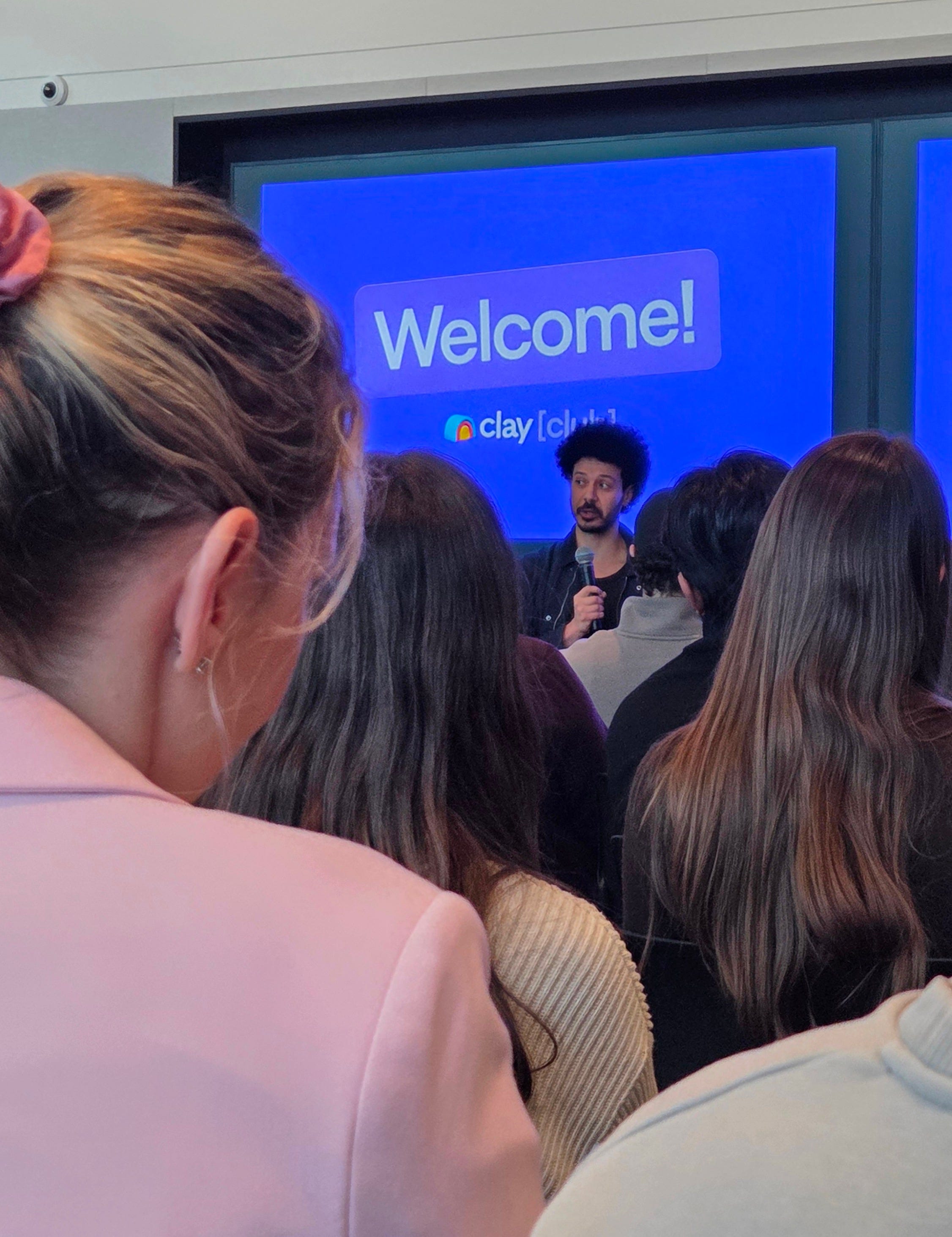
He talked about a future where systems ingest the full universe of customer conversations, detect why deals are won or lost, and trigger re-engagement automatically when the reason changes.


On Thursday in Oakland, I joined builders and we wired up agentic assistants in real time at The Penthouse Heist, a STAK Ventures hackathon. DigitalOcean and HLOS.ai gave us infrastructure. We dove into OpenClaw integrations and tools connected to messaging platforms inside of hours.


The energy in that room was real. The optimism was contagious.
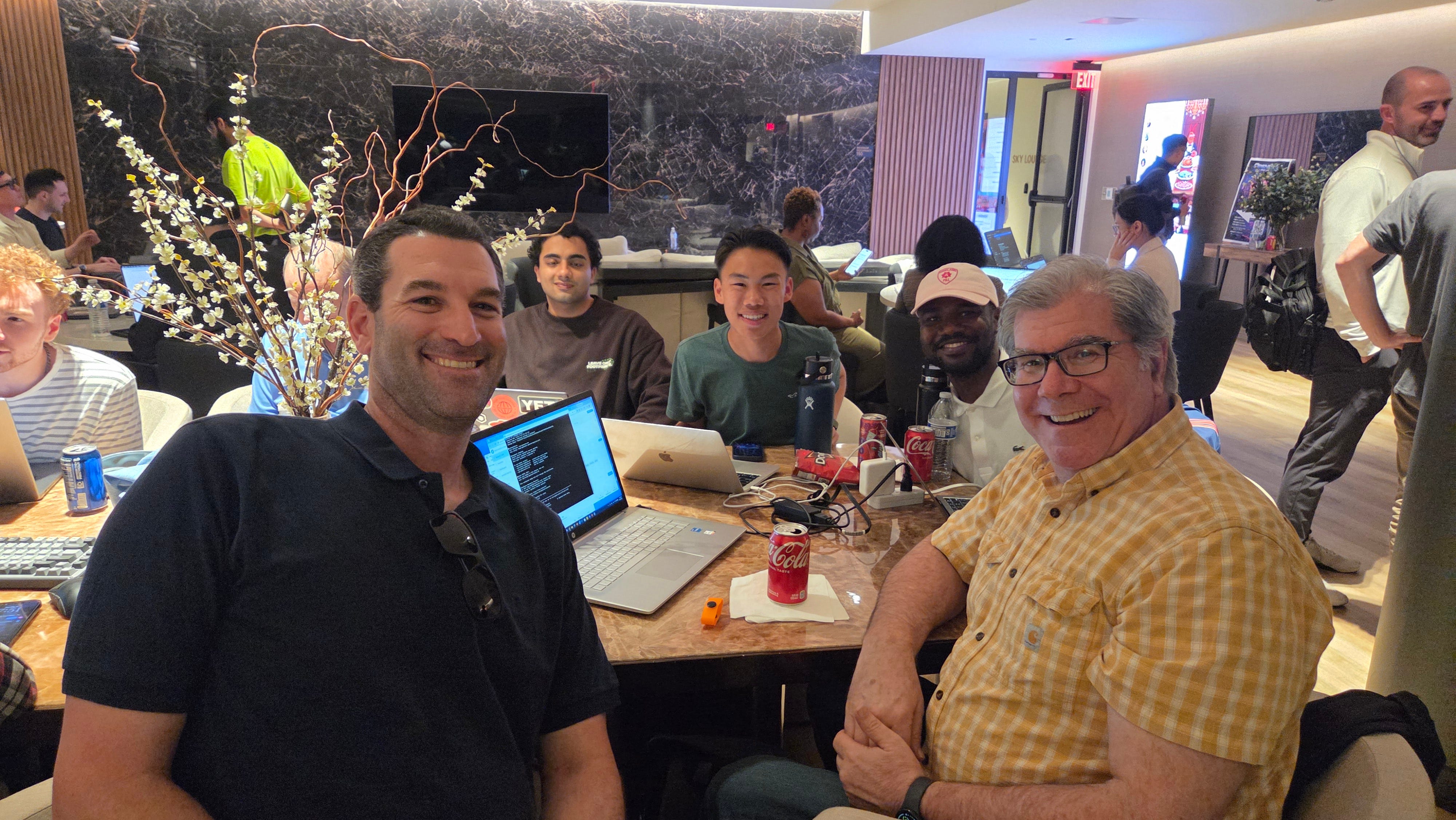
Two different rooms. One shared lesson.
AI is not your foundation. It is a stress test of your foundation.
My takeaway? If your revenue forecast is fuzzy, your handoffs between persons or teams are messy, and your data model is weak, more AI will not fix the problem. It will scale the confusion faster. That is what Week 3 of this series is about. The Foundation Fix.
Signal #1: You are automating activity before you understand the audience
Kareem made a point that I keep turning over. He said Clay’s differentiator is not a gimmick feature. It is the discipline of learning to think about GTM systematically. Who is the audience? What data sources matter? When should AI be used and when should it not? He described his firm:
Clay is built to help companies remove every obstacle to growth by understanding who the customer is and how their products connect to different audiences over time.
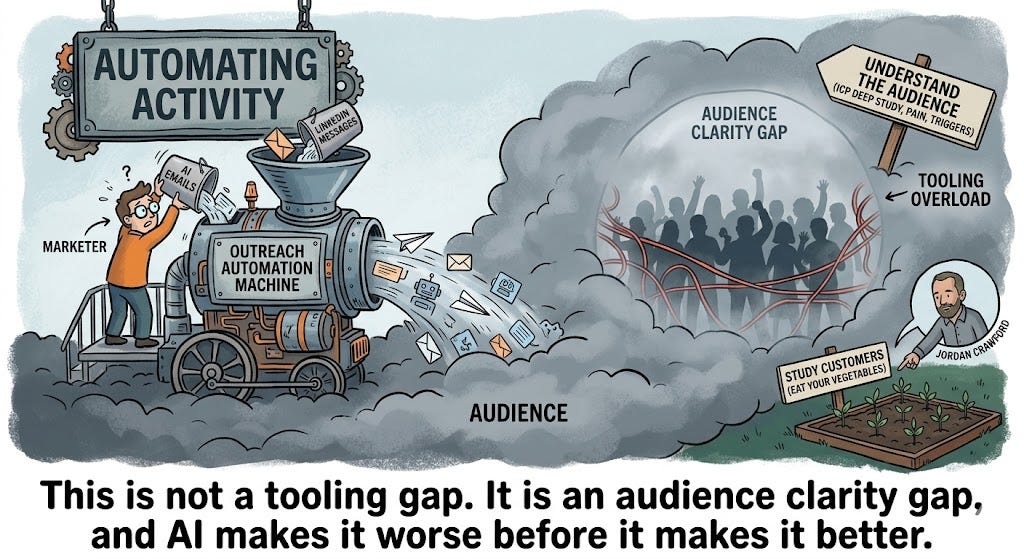
What strikes me is how rare that clarity actually shows up in practice. Most teams I talk to want AI outreach before they can clearly define ICP by product, moment, pain, and trigger. They are automating on top of mush.
Jordan Crawford pushed back in that room, noting that founders often need to eat their vegetables first, meaning actually study customers before reaching for tools. Kareem agreed. His answer was not to reject AI but to build systems that ingest first-party and third-party signals and improve based on feedback.
This is not a tooling gap. It is an audience clarity gap, and AI makes it worse before it makes it better.
Signal #2: You have speed but no operating rhythm
The hackathon was exhilarating. Builders can now stand up capable agentic systems faster than most GTM leaders realize. But the thing I kept coming back to, watching team after team sprint through demos, is that speed without rhythm becomes what I call random acts of heroism. A brilliant push, a clever workaround, a result nobody can replicate next week. It’s like the Doctor of OpenClaw.
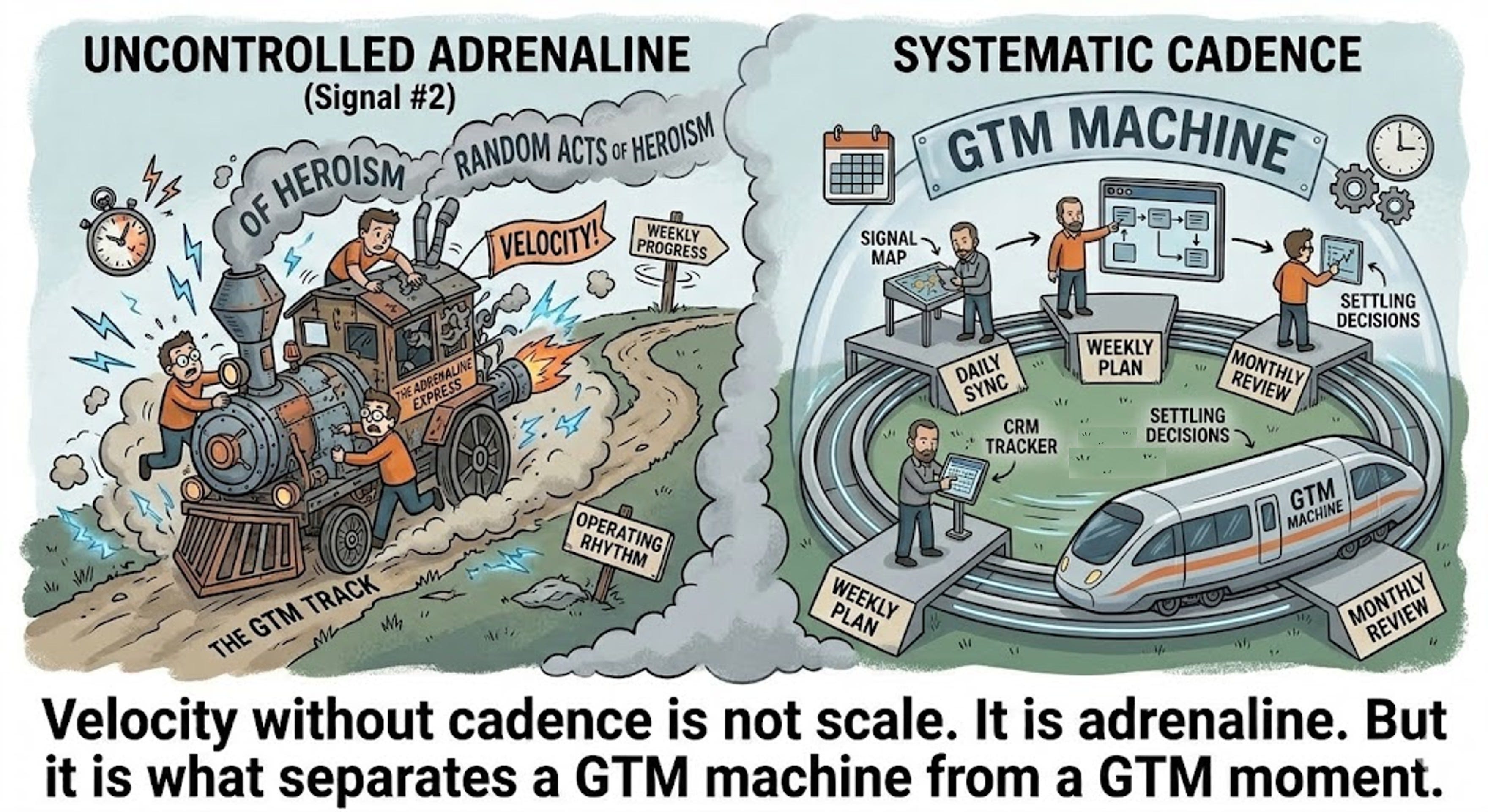
RevOps leaders do not get paid for horsepower alone. They get paid for lap times, repeatability, and staying on the track. The model I kept imagining to sketch in my notes that evening was straightforward: bound by physics of progress, a focus on outcomes, a repeatable daily rhythm, leading indicators instead of lagging ones, output goals that are visible before the quarter ends, and a disciplined routine that does not depend on who showed up inspired that morning.
In my personal rhythm, the morning is for proactive creation and prospecting. Midday is for validating assumptions and removing blockers. Evening is for settling decisions, learning, reflecting, and resetting. That is not glamorous. There are other time period cadences. But it is a personal example of what separates a GTM machine from a GTM moment.
Velocity without cadence is not scale. It is adrenaline.
Signal #3: Your system cannot learn from feedback
This is where Kareem’s product vision hit me hardest. He described Clay’s direction as moving toward systems that ingest the full universe of customer actions and conversations, understand why deals were won or lost, help teams find the right customers, and improve tactics through both human and automatic feedback loops. The specific example he gave was an agentic system that detects a lost-deal reason, watches when that reason changes in the market, and triggers re-engagement automatically.
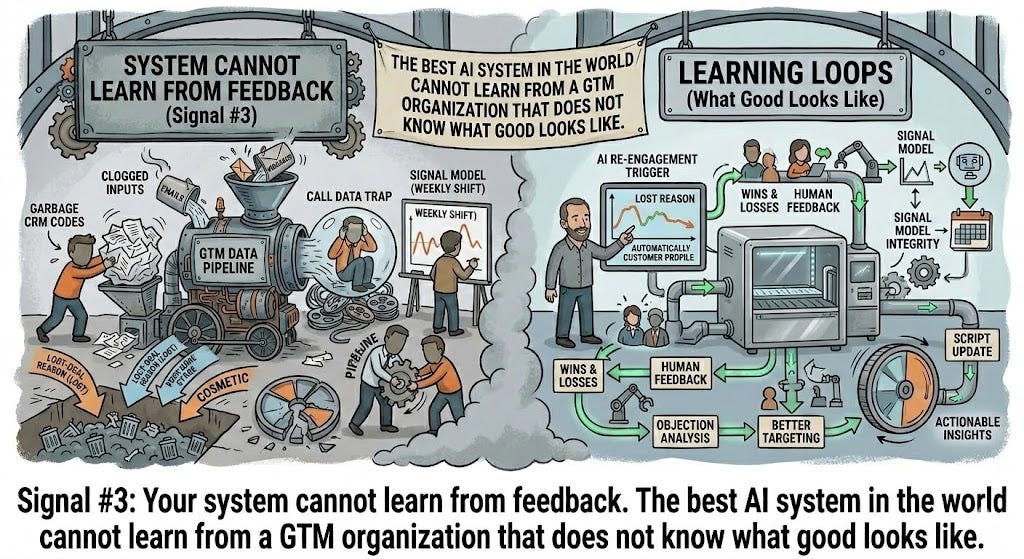
That is a vivid picture. It is also completely out of reach if your CRM reason codes are garbage, your call data is trapped in a tool nobody reviews, your pipeline stages are cosmetic, and your signal model shifts every quarter based on who is running the forecast.
The best AI system in the world cannot learn from a GTM organization that does not know what good looks like.
The Foundation Fix Framework
Before you buy the next AI tool, score your GTM foundation against these five tests.
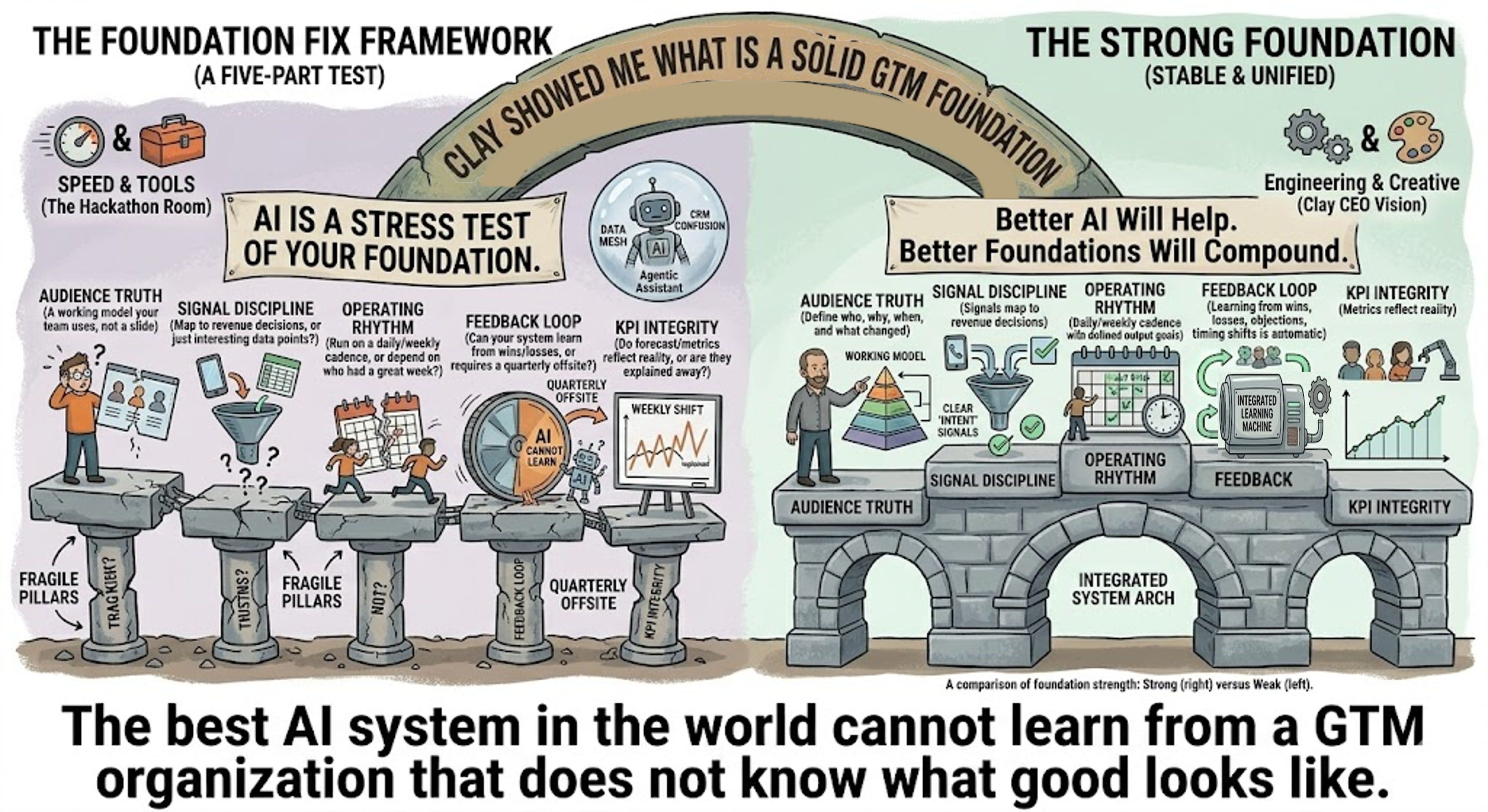
Audience truth. Can you define who buys, why they buy, when they buy, and what changed to make them ready? Not as a slide. As a working model your team uses.
Signal discipline. Do your first-party and third-party signals actually map to revenue decisions, or are they interesting data points with no clear action attached?
Operating rhythm. Do you run on a daily and weekly cadence with leading indicators and defined output goals, or do results depend on who had a great week?
Feedback loop. Can your system learn from wins, losses, objections, and timing shifts? Is that learning automatic, or does it require a quarterly offsite to surface it?
KPI integrity. Do your forecast, pipeline, conversion, and expansion metrics reflect reality? Or are they optimistic by default and explained away after the quarter closes?
Clay showed me what a GTM system looks like when it is built on all five of these. The hackathon showed me what happens when talented people have speed, tools, and energy but are building on top of an unclear model. Both rooms were full of smart people. The difference was foundation.
Before You Add More AI, Fix This
AI is not replacing the need for GTM foundations. It is making weak foundations impossible to hide.
The companies that win this cycle will not be the loudest about agents. They will be the clearest about audiences, rhythms, signals, and feedback. Better AI will help. Better foundations will compound.
If this helped you see your GTM system more clearly, subscribe to follow the full four-part series on AI sales orchestration.
If you are building the operating layer beneath AI, my book 21 Keys to AI Orchestration gives you the management lens for doing it on purpose.
And if this piece reminded you of someone wrestling with forecast drift, pipeline mess, or AI overload, share it with them and tell me in the comments: which crack in the foundation shows up first in your business? Audience confusion, rhythm breakdown, or feedback failure?
Clay CEO Kareem Amin framing AI as stress test not foundation of GTM — interesting perspective.